CBE That Shows What Your Child Can Do, from Daycare to Grade 9
What is Competency Based Education?
Kenya's education system now asks a different question of every child. Instead of ‘What does my child know?’, Competency Based Education (CBE) asks ‘What can my child do?’ Learners are assessed over time, through tasks, projects, and observation as well as tests, and their progress is recorded against competencies, not only marks. Young Masters Academy has taught through the move from 8-4-4 to the Competency Based Curriculum and now to CBE, and we teach and assess in line with national policy.
What national policy says
- Sessional Paper No. 1 of 2019 commits government to “mainstream competency based education and training” and to “reform the assessment and examinations framework”. Read the paper
- KICD’s Basic Education Curriculum Framework (2019) names seven core competencies and describes formative, criterion-referenced assessment as “the bedrock of a competency-based curriculum”. Read the framework
- KNEC runs national assessment through its CBA portal, where schools upload learners’ school-based assessment scores. As reported in 2026, school-based assessment makes up about 60% of KPSEA (Grades 4 to 6) and 20% of KJSEA (Grades 7 and 8). Read the report
From Daycare to Grade 9 — Every Stage Matters
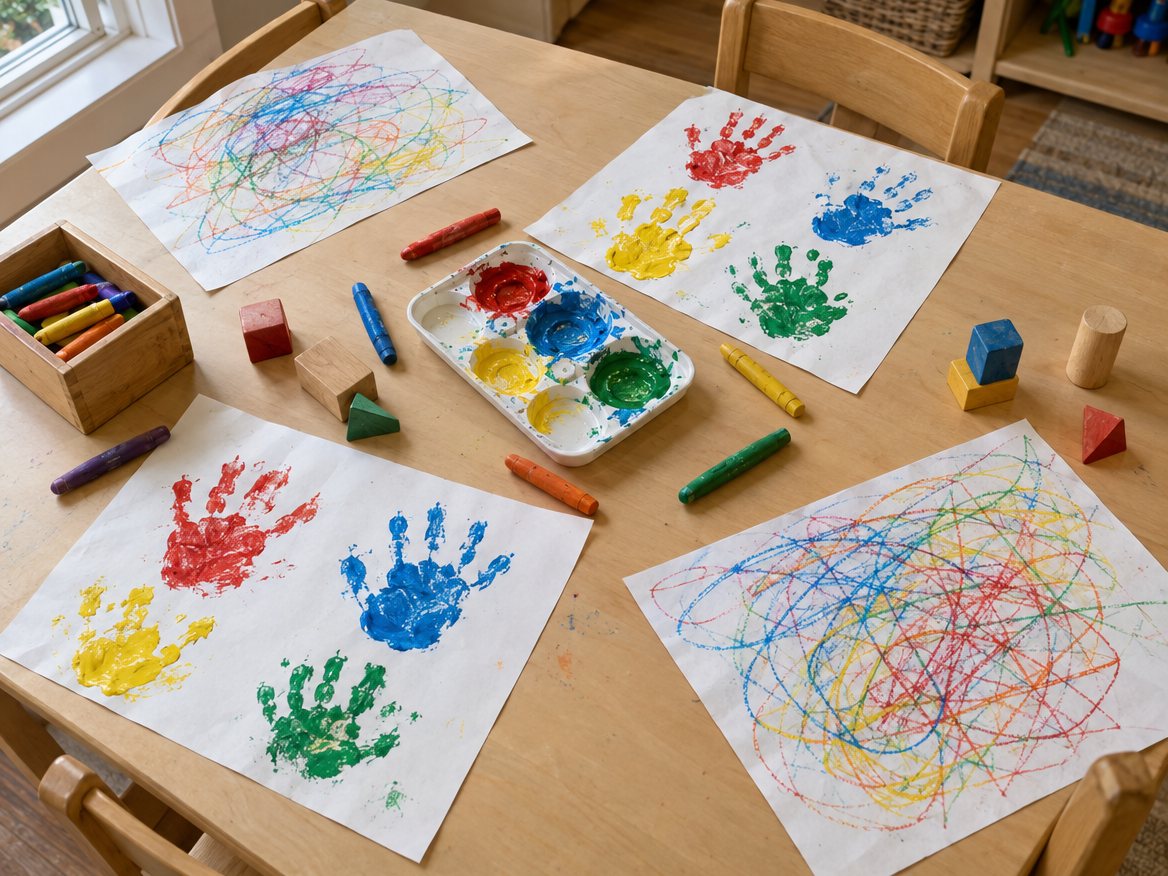
A Warm and Stimulating Start
Our Daycare and ECD programme provides a nurturing, structured environment for our youngest children. The focus is on safety, stimulation, and social development — building the trust, routines, and early language skills that lay the groundwork for all future learning.
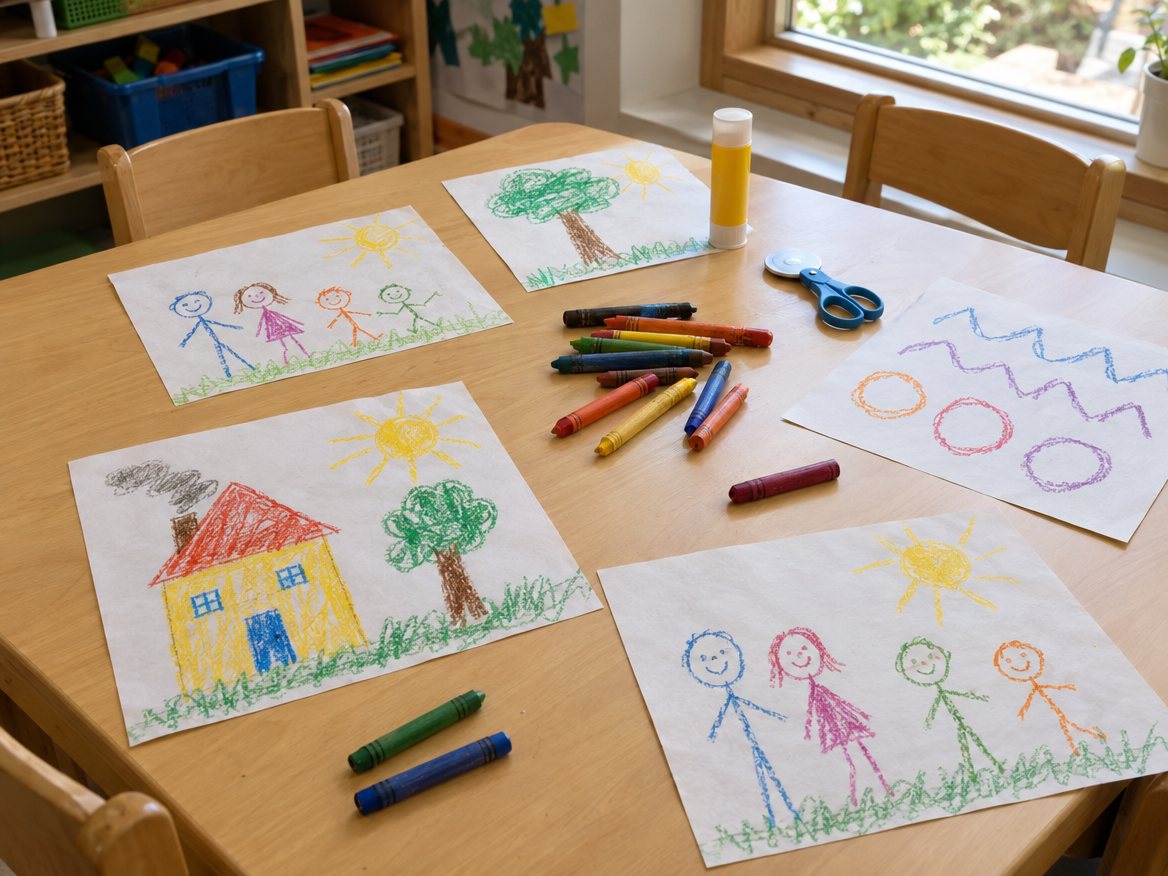
Where Learning and Play Meet
In PP1 and PP2, learners are introduced to early literacy in English and Kiswahili, basic numeracy, creative arts, and physical activity — with progress observed and recorded through CBE, in a way designed to make learning joyful, not pressured.
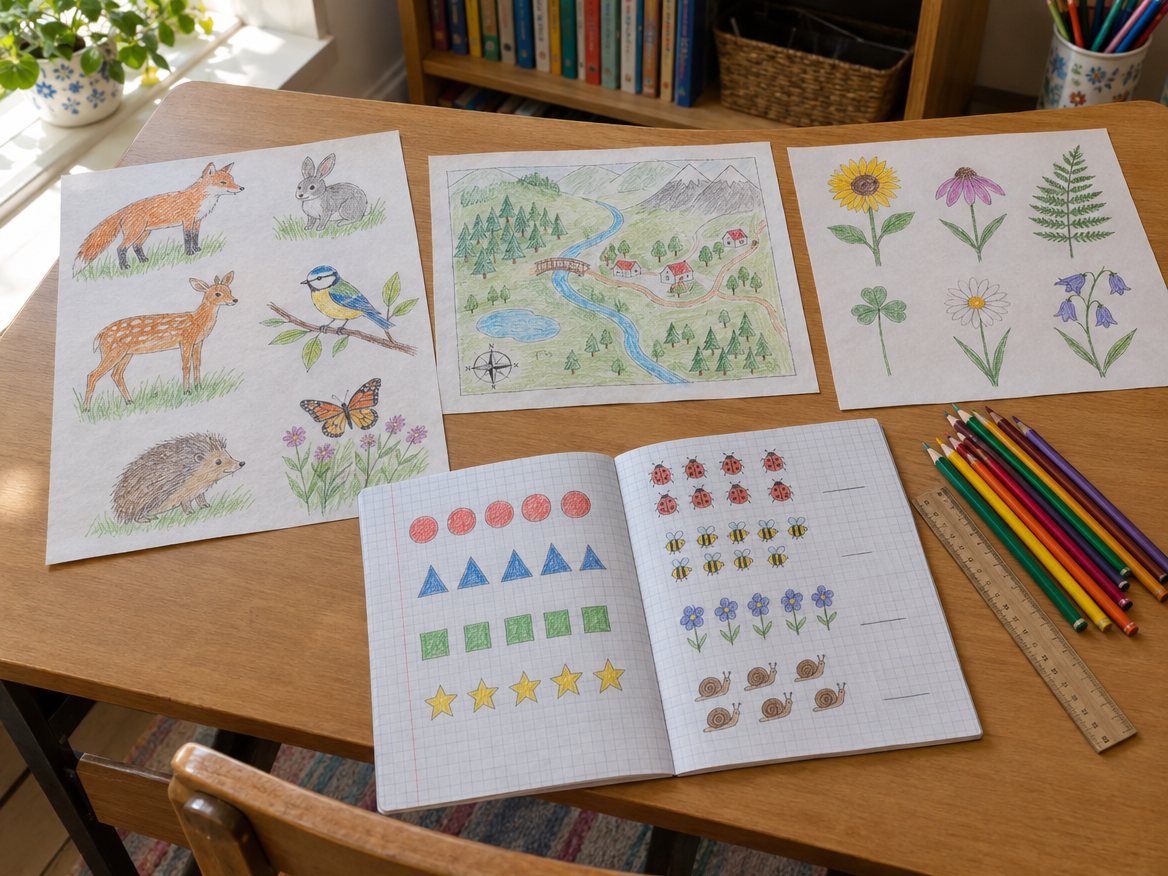
Building Foundations That Last
Grades 1 to 3 cement literacy and numeracy while expanding each child's understanding of the world. Class teachers who know their students well deliver all subject areas, and self-confidence is taught as deliberately as any academic skill.
Growing Independence and Leadership
Upper Primary is a time of growing ownership. Students engage with more complex content, take on leadership roles, and develop through project-based learning and peer collaboration — skills central to CBE.
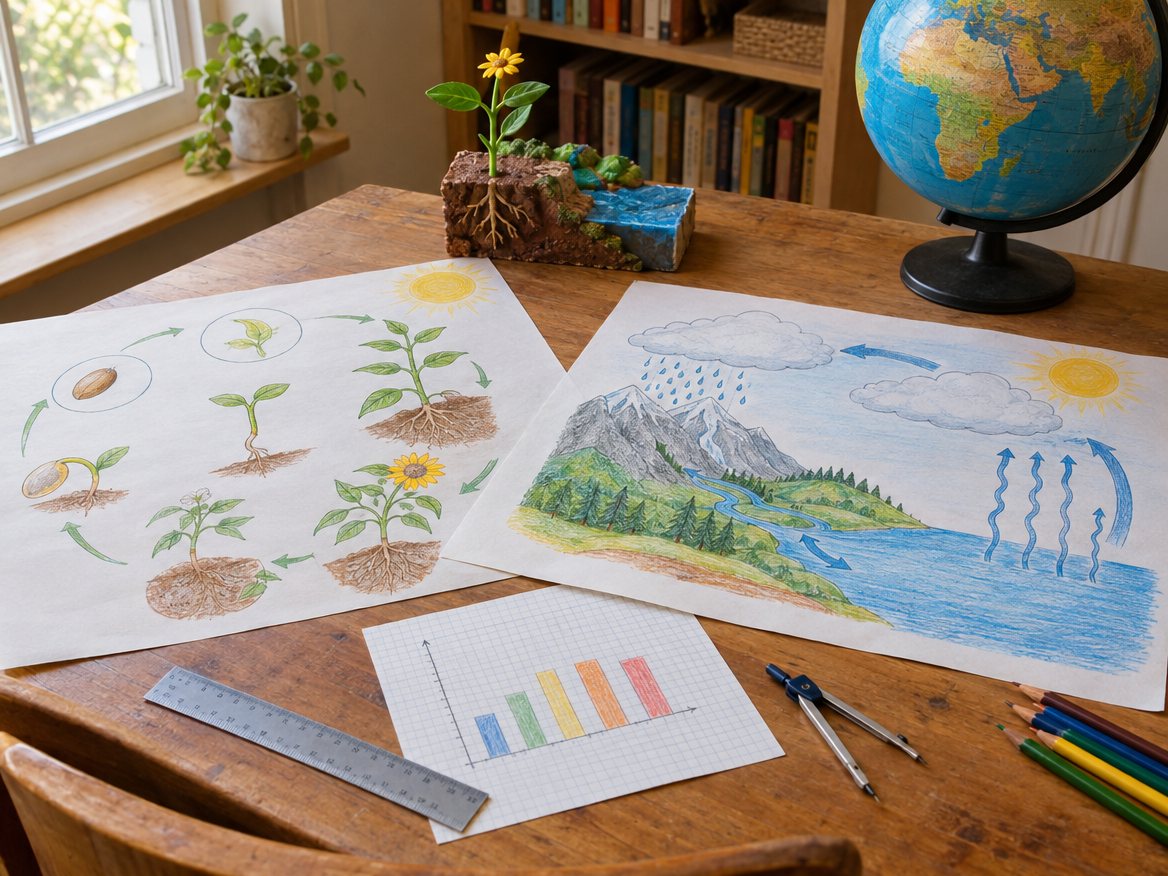

Shaping Future Innovators
Subject specialist teachers deliver the full Junior School programme, including Pre-Technical Studies, Business Studies, and Agriculture alongside core subjects. Work assessed in Grades 7 and 8 counts towards the national KJSEA. Students are actively prepared for the next stage while developing critical thinking and personal clarity.
Co-Curricular Activities That Shape the Whole Child
Some of a child's most important growth happens outside of lessons. Every student at YMA is encouraged to explore and commit to at least one activity. Ready to see it for yourself? Apply now for our 2027 intake.
Sports & Athletics
Football, athletics, and physical education build teamwork, fitness, and resilience.
Self-efficacy · Communication and Collaboration
Arts
From singing and drama to the visual arts, our arts programme gives students a creative outlet and builds confidence in front of others.
Creativity and Imagination · Communication and Collaboration
Chess Club
Chess builds strategic thinking, patience, and concentration, one move at a time.
Critical Thinking and Problem Solving · Learning to Learn
Baking & Entrepreneurship Club
Students bake, and learn to identify problems, propose solutions, and understand the value of hard work.
Creativity and Imagination · Self-efficacy
Debate
Debate teaches students to research a topic, build an argument, listen carefully, and speak with confidence.
Communication and Collaboration · Citizenship
Spelling Bee
Spelling bee builds vocabulary, memory, and the nerve to stand up and perform in front of others.
Communication and Collaboration · Learning to Learn
Competencies are those named in KICD’s Basic Education Curriculum Framework (2019). They show how we see each activity contributing to what children are assessed on under CBE.